
The Quiet Week Between: Why the Space Between Years Matters

Updated: Feb 4
There's something almost mystical about the week that stretches between Christmas and New Year's Day. Time moves differently here: slower, softer, suspended somewhere between celebration and anticipation. The world feels muffled, like snow has fallen on our usual rhythms, creating a pocket of quiet in the year's relentless forward march.
This isn't just holiday exhaustion talking. This is liminal space at its most potent: a threshold week where we exist neither fully in the year that's ending nor in the one that's beginning. It's a pause that asks nothing of us except to breathe, to be, to notice what we rarely have time to see.
The Sacred Art of Slowing Down
In our culture of constant motion, this quiet week offers something revolutionary: permission to stop. Not the guilt-laden stopping of procrastination or the forced stopping of illness, but the intentional, nourishing stopping that comes from recognizing we've reached a natural pause in the rhythm of our lives. The dishes can wait. The emails can pile up. The resolutions can simmer without urgency. For these few days, we're granted a reprieve from the tyranny of productivity, and in that space, something essential becomes possible: reflection.
This isn't about forced introspection or aggressive goal-setting. It's about creating the conditions for the kind of gentle looking-back and looking-forward that can only happen when we're not rushing toward the next thing. It's about letting our thoughts settle like sediment in still water, until we can see clearly through to what matters.
The Ritual of In-Between
Human beings have always marked transitions with ritual. We light candles at twilight, ring bells at midnight, create ceremonies for beginnings and endings because we understand, somewhere deep in our bones, that threshold moments require acknowledgment. The quiet week is perhaps our most sustained ritual of transition: a week-long ceremony of letting go and leaning in.
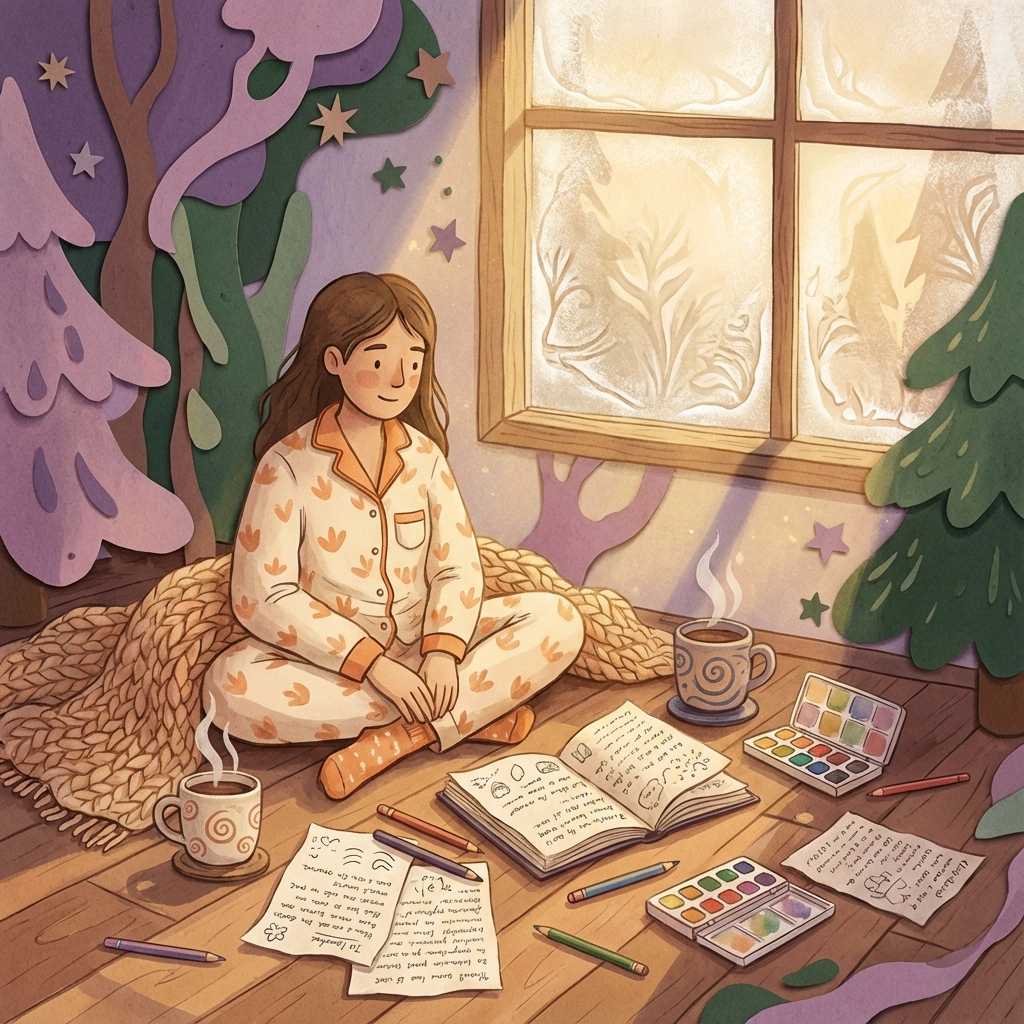
Think about how different this week feels from the rest of the year. The light falls differently through your windows. Your morning routine softens around the edges. You might find yourself drinking tea or coffee more slowly, reading a book that's been waiting on your nightstand for months, or simply sitting in a favorite chair longer than usual, watching the quality of light change as the day moves through its quiet arc.
These aren't accidents or indulgences. They're instinctive responses to the liminal quality of this time. Your soul knows it's in a threshold space, and it's adjusting accordingly: slowing down to match the pace of deep time rather than clock time.
Small Acts, Sacred Spaces
The beauty of this week lies not in grand gestures but in the elevation of small acts. Making coffee becomes a meditation. Lighting a candle becomes a prayer. Writing in a journal becomes a conversation with the year that's passing and the one that's coming.

This is where the art of living reveals itself: not in the big moments that demand our attention, but in the quiet ones that we choose to inhabit fully. The steam rising from your mug. The weight of a pen in your hand. The soft scratch of a pencil on paper as you sketch or write or simply doodle your way toward clarity. These moments matter because we make them matter. And perhaps more importantly, we create objects and spaces that honor these moments, that hold space for the sacred in the everyday.
Whether it's a handmade mug that feels perfect in your palms or a journal that invites honest reflection, the things we surround ourselves with can either support our rituals of meaning-making or simply fill space.
The Art of Reflection
Reflection, real reflection, requires more than just time; it requires the right kind of container. Like a still pond that can only show you your reflection when the water isn't disturbed by wind, genuine self-examination needs calm conditions to be possible.
The quiet week provides those conditions naturally. With the normal demands of life temporarily suspended, we can look back at the year with something approaching objectivity. What patterns emerge when we're not caught up in the daily drama of living them? What themes repeat when we have the luxury of seeing the forest instead of just the trees?
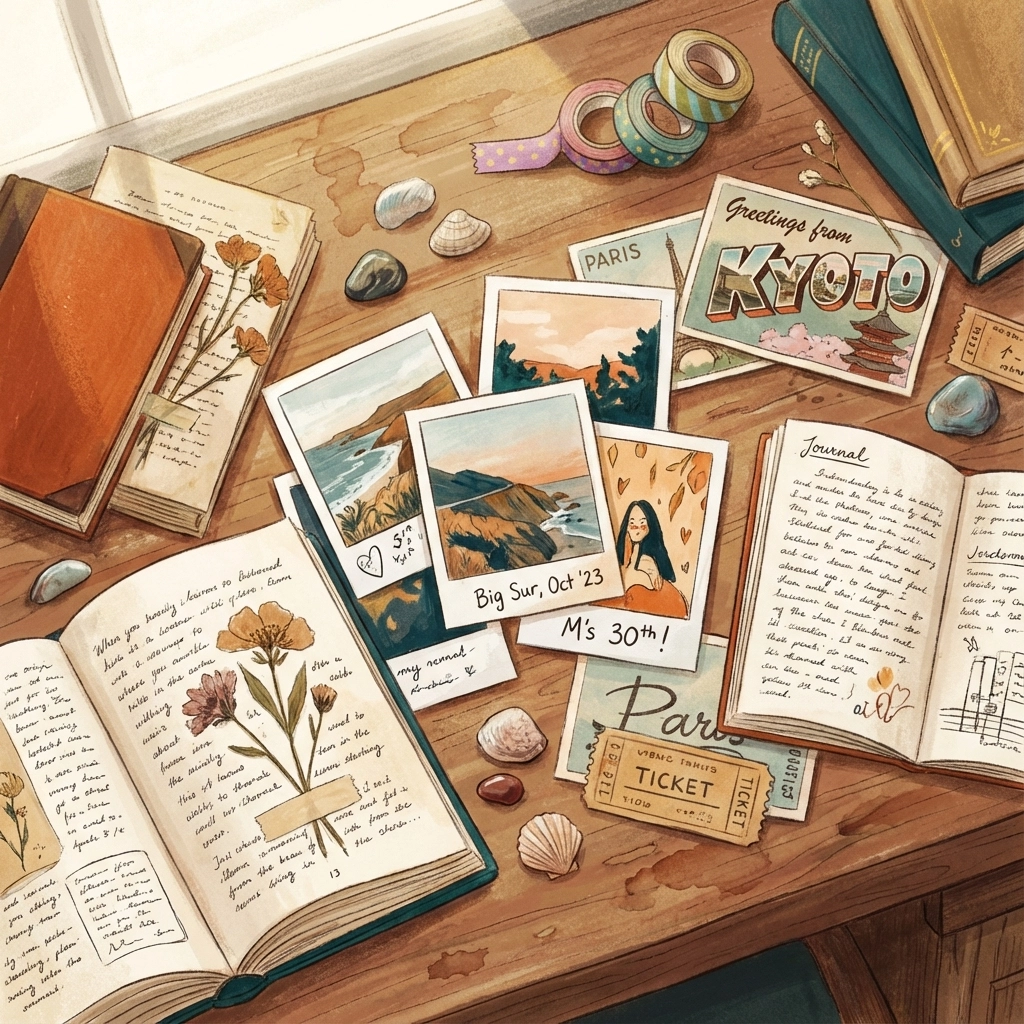
This kind of reflection is intentional introspection, not vain contemplation. It's the essential work of consciousness. The practice of making meaning from experience, of weaving the scattered events of our lives into something resembling wisdom. It's how we transform time into story, experience into understanding. And perhaps most importantly, it's how we prepare ourselves to move forward with intention rather than just momentum. When we take time to really see where we've been, we can choose where we're going with much greater clarity.
Creating Your Own Threshold
Not everyone has the luxury of a full week off, but everyone can create their own version of this threshold time. It might be a single morning with your phone turned off and sipping your coffee while you write. It might be an evening spent by candlelight, looking through photos from the year and remembering moments that brought you joy or taught you something important. The key is recognizing that transition time isn't empty time, it's full time, rich time, time that serves a purpose even when that purpose is simply to pause and breathe.

This is why we're drawn to certain objects during this time of year, things that feel grounding and nourishing rather than stimulating. A soft throw that invites lingering. A piece of art that catches the winter light and throws it back transformed. A mug that turns morning coffee into a moment of meditation rather than just caffeine delivery.
These aren't just possessions, they're partners in the art of creating meaningful time. They help us slow down, pay attention, and honor the importance of transitions in our lives.
The Wisdom of Emptiness
There's profound wisdom in emptiness, in the spaces between things. Musicians know that the pauses between notes give music its shape. Writers know that white space on a page gives words room to breathe. And anyone who's ever paid attention to their own rhythms knows that the spaces between activities are where integration happens, where experience becomes wisdom, where chaos settles into clarity.
The quiet week is our collective recognition of this truth. It's a cultural acknowledgment that we need emptiness to make sense of fullness, that we need pause to appreciate movement, that we need an ending to make room for a beginning.
Moving Forward with Intention
As this threshold week draws to a close each year, we face a choice: we can rush back into the familiar patterns of busyness and distraction, or we can carry some of this quietness with us into the year ahead. We can treat this pause as an anomaly to be endured until normal life resumes, or we can see it as a teacher, showing us how different our lives could feel if we built more spaces for reflection and ritual into our regular rhythms.
The quiet week reminds us that we have agency in how we move through time. We can choose to be intentional about our transitions, mindful about our rituals, and deliberate about the objects and spaces we create to support the life we want to live. In the end, perhaps that's the greatest gift of this in-between time: the reminder that every moment contains the possibility of pause, every day contains the potential for ritual, and every transition, however small, offers us the chance to move forward with greater awareness and intention. The quiet week teaches us that the spaces between are not emptiness to be filled but fullness to be savored. In learning to inhabit threshold time fully, we learn to inhabit all our time more consciously, more gratefully, more alive to the sacred hiding in the everyday.